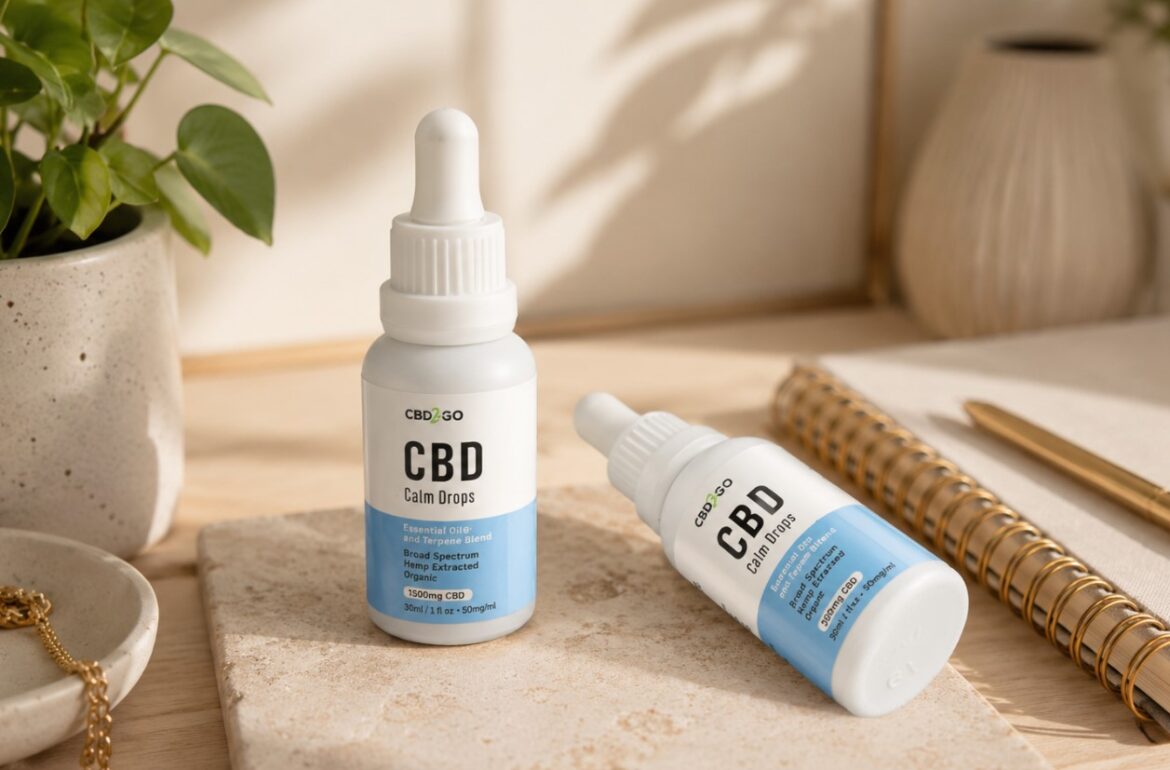
Long-Term CBD Use in Canada: Safety, Side Effects & Daily Routine

📅 Updated: June 2026
✓ Informational Guide
CBD has become part of many Canadians’ wellness routines. Some people use it occasionally, while others are interested in taking CBD regularly over a longer period. This raises several reasonable questions: Can you take CBD every day? Can your body develop a tolerance? Are there long-term side effects to consider?
The most accurate answer is that CBD research is still developing. CBD is generally considered non-intoxicating, but that does not mean it is risk-free or that every person will respond in the same way. Below, we explain what is currently known about long-term CBD use, what remains uncertain, and how to approach a daily CBD routine responsibly.

A consistent CBD routine should be approached carefully, with attention to product format, concentration, personal response, and possible medication interactions.
Quick Answer: Can You Take CBD Every Day?
Some adults choose to include CBD in a daily wellness routine. However, there is no universal routine that is appropriate for everyone. The effects of CBD can vary based on the product format, concentration, frequency of use, individual sensitivity, and whether the product contains additional cannabinoids such as THC, CBG, or CBN.
1. What Is Considered Long-Term CBD Use?
There is no single standardized definition of long-term CBD use for general wellness products. In practical terms, people usually mean regular CBD use over several weeks or months rather than occasional use.
A long-term routine may involve using a CBD oil, capsule, or gummy on a consistent schedule while paying attention to how the product fits into your lifestyle.
Important Context:
- CBD research is continuing, but long-term human data remains limited.
- Individual responses may vary based on concentration, product type, metabolism, and other substances or medications.
- A higher CBD concentration does not automatically mean a better wellness routine.
2. Is It Safe to Take CBD Every Day?
The available evidence does not support a simple yes-or-no answer for every person and every CBD product.
CBD is often described as generally well tolerated, particularly at lower amounts. However, possible concerns include drowsiness, digestive discomfort, changes in appetite, changes in alertness, and interactions with certain medications.
If you take prescription medications or have an underlying health condition, consult a healthcare professional or pharmacist before adding CBD to your daily routine.
Important: CBD may affect how the body processes certain medications. Speak with a healthcare professional before regular use if you take blood thinners, sedatives, or prescription medications with specific interaction warnings.
3. What Are the Possible Side Effects of CBD?
Individual responses to CBD vary. Some people may not notice unwanted effects, while others may experience mild side effects.
Potential Side Effects
- Drowsiness
- Fatigue
- Dry Mouth
- Digestive Discomfort
- Appetite Changes
- Changes in Alertness
Stop using the product and consult a healthcare professional if you experience unexpected or persistent effects.
4. Can You Build a Tolerance to CBD?
Tolerance is a common question among people considering long-term CBD use. Research has not established a simple rule that applies to everyone.
CBD is different from THC, and the available evidence does not clearly show that every person will need progressively larger amounts over time. At the same time, it is not responsible to claim that tolerance can never occur or that each person will respond in the same way.
CBD2GO Routine Tip:
If your experience changes over time, avoid increasing the amount automatically. Review the product label, your daily schedule, and your product format. A simple and consistent routine makes it easier to evaluate how a CBD product fits into your lifestyle.
5. Choosing a CBD Product for a Consistent Routine
The best CBD format depends on your preferences and lifestyle. For long-term use, clarity and consistency are often more useful than complexity.
CBD Oils
CBD oils allow careful measuring and gradual adjustments. They may be suitable for people who prefer flexibility and a simple oil-based format.
Learn more.
CBD Capsules
CBD capsules offer a convenient, pre-measured format. They may be useful for people who prefer consistency without measuring drops.
Learn more.
CBD Gummies
CBD gummies provide a pre-portioned format that is easy to add to a daily schedule. Always read the label carefully and store gummies safely away from children and pets.
Learn more.
CBD oils, capsules, and gummies offer different levels of flexibility and convenience for a consistent wellness routine.
6. Full-Spectrum, Broad-Spectrum, or THC-Free CBD?
When selecting a product for ongoing use, it helps to understand the basic differences between CBD formats.
Full-Spectrum CBD
Contains CBD along with a wider profile of hemp-derived compounds. Full-spectrum products may contain trace amounts of THC.
Learn more.
Broad-Spectrum CBD
Contains CBD and additional cannabinoids but is formulated without THC. It may suit people who prefer a wider cannabinoid profile while avoiding THC.
Learn more.
CBD Isolate
A CBD-only format intended for people seeking an option without THC or additional cannabinoids.
Learn more.
7. Does CBD Stay in Your System Longer With Daily Use?
CBD does not leave every person’s body at the same rate. Frequency of use, product format, concentration, metabolism, and other individual factors may affect how long CBD remains detectable.
Regular use may result in a longer detection window than occasional use. This may be relevant for people concerned about workplace testing, travel, or products that contain trace amounts of THC.
Related Guide: How Long Does CBD Stay in Your System?
How Much CBD Should I Take? CBD Dosage Calculator Canada | How Much CBD to Take?
8. A Practical Approach to Daily CBD Use
A responsible CBD routine should be simple and easy to evaluate. Avoid combining multiple CBD products immediately, especially when you are still determining how a particular format fits into your routine.
Daily Routine Checklist:
- Choose one CBD product format to start.
- Read the product label carefully.
- Keep your routine consistent.
- Pay attention to how you feel.
- Avoid increasing the amount automatically.
- Do not mix CBD with alcohol or sedating products without professional guidance.
- Store CBD products safely away from children and pets.
A basic personal log may also help. Record the product name, format, time used, and any noticeable effects. This can make it easier to evaluate whether the product fits your lifestyle.
When Should You Speak With a Healthcare Professional?
Speak with a healthcare professional or pharmacist before using CBD regularly if:
- You take prescription medications.
- You use medications or supplements that may cause drowsiness.
- You have an underlying health condition.
- You are pregnant or breastfeeding.
- You are considering CBD for a child.
- You experience unwanted or unexpected effects.
- You are unsure whether a CBD product is appropriate for your situation.
Frequently Asked Questions
Explore CBD Products for Your Wellness Routine
Compare CBD oils, capsules, gummies, and other carefully selected CBD2GO products.Shop CBD2GO Collection