
Hemp Oil vs. CBD Oil: Understanding the Key Differences


✓ Botanical Fact-Checked
In the rapidly expanding Canadian wellness market, many consumers find themselves asking: Is hemp oil the same as CBD oil? While both products originate from the Cannabis sativa plant, they are derived from different parts of the plant and serve entirely distinct purposes in a wellness routine.
Choosing the right product requires an understanding of botanical sourcing and cannabinoid concentration. Below, we break down the differences between nutrient-dense hempseed oil and cannabinoid-rich CBD extracts to help you make an informed choice.
| Feature | Hemp Oil (Hempseed) | CBD Hemp Oil |
|---|---|---|
| Plant Part | Seeds only | Flowers, leaves, and stalks |
| CBD Content | Zero to trace amounts | High concentration (up to 20%+) |
| Primary Use | Nutrition and Skincare | Systemic Balance and Wellness |
| Main Nutrients | Omega 3 & 6, Vitamin E | Phytocannabinoids & Terpenes |
What is CBD Hemp Oil?
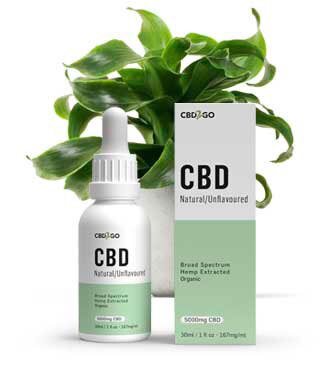
CBD Hemp Oil is a specialized extract containing a significant concentration of cannabidiol (CBD). It is produced using the trichome-rich parts of the industrial hemp plant—specifically the flowers and leaves.
This oil is designed to support the Endocannabinoid System (ECS), helping to maintain internal balance and homeostasis. Because it contains a robust profile of phytocannabinoids, it is utilized by Canadians seeking to support their emotional grounding, physical comfort, and evening wind-down routines.
What is Hempseed Oil?
Commonly referred to simply as Hemp Oil, this product is created by cold-pressing the seeds of the hemp plant. Much like sunflower or olive oil, hempseed oil is prized for its nutritional value rather than its cannabinoid content.
Industrial and Cosmetic Versatility
Beyond the kitchen, hempseed oil has incredible industrial and cosmetic utility:
- Skincare: Used in soaps, shampoos, and lotions for its moisturizing and antioxidant properties.
- Industrial: Refined hemp oil is used in the production of paints, lubricants, inks, and even eco-friendly plastics.
- Biofuel: Due to its high fatty acid content, hempseed oil is a viable feedstock for large-scale biodiesel production.
Canadian Standards and Purity
Canada has been a global leader in hemp production standards since 1998. The legal limit for THC content in Canadian hemp foodstuffs is 10ppm (parts per million), though most domestic hempseed oils test well below 4ppm—effectively non-detectable.
When you choose CBD2GO, you are choosing products that adhere to these strict Canadian quality controls. Whether you are looking for the nutritional power of hempseed or the wellness support of a CBD extract, transparency and third-party lab testing are our top priorities.
Find Your Perfect Hemp Solution
Explore our collection of lab-tested CBD oils and nutrient-dense hemp formulations.
Hemp vs. CBD FAQ